
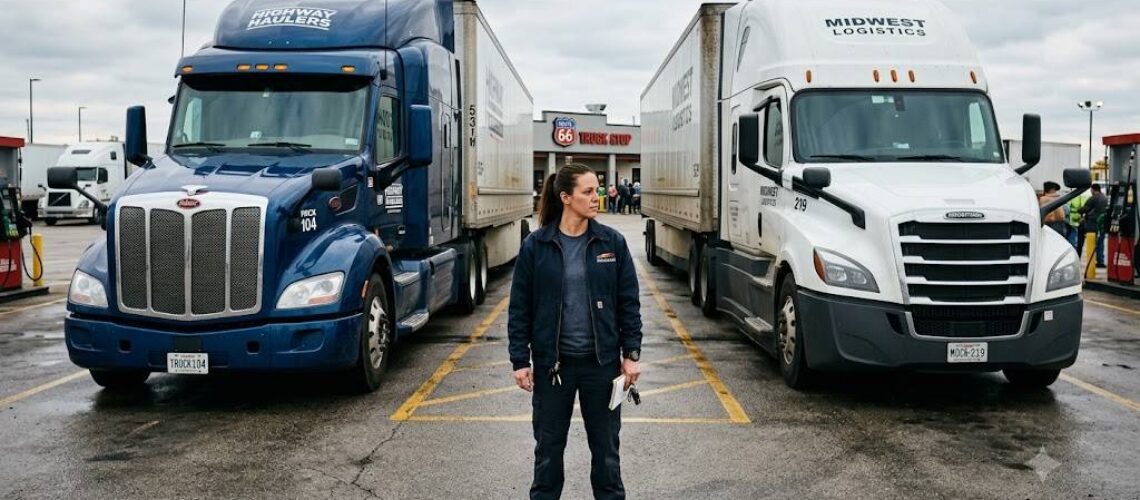

One of the single biggest points of confusion in the DOT Return-to-Duty (RTD) process happens when a commercial driver switches jobs mid-stream.
The scenario is always the same: A driver completes their initial Substance Abuse Professional (SAP) evaluation and education/treatment program. They get hired by a new employer, complete their Return-to-Duty drug test, and start working. But before they complete their full, multi-year follow-up testing plan—which is Step 6 of the Clearinghouse process—they decide to change companies again.
What happens next is a massive misunderstanding of DOT rules that leads to unnecessary delays, frantic phone calls, and compliance gaps.
At Delivered2choices, we hear variations of the same two frustrating scenarios every week. Let’s break down exactly how the regulations work, what the DOT rule says, and who you actually need to call to keep the wheels turning in full compliance.
Table of Contents
ToggleThe Common Misunderstanding: “Call the SAP!”
When a driver moves to a third employer (or any employer after their first post-violation job), everyone’s default instinct seems to be: “Call the SAP and have them send over the testing plan!” This leads to two common scenarios that slow everything down:
Scenario A: The Active Driver
A driver calls us asking us to send their follow-up testing plan to their brand-new boss. The twist? This driver has already been working for a DOT-regulated employer for the last six months, and that previous employer has already successfully conducted 3 follow-up tests!
Why calling the SAP is unnecessary here: The new employer cannot just start a brand-new testing plan from scratch, nor should they ignore the 3 tests the driver already passed. The SAP shouldn’t be the middleman here because the chain of custody for those first 3 tests belongs entirely to the previous employer.
Scenario B: The Deficient Due Diligence
A new employer reaches out directly to Delivered2choices demanding the follow-up testing plan for a driver they just hired, who has clearly worked for other DOT employers since their initial violation.
What this tells us: The new employer skipped a critical regulatory step. They failed to perform their mandatory background check and due diligence on the driver’s immediate past employer before reaching out the SAP as a habitual default.
What the DOT Rule Actually Says
The Department of Transportation is incredibly clear on how follow-up testing portability works. Under DOT regulations, follow-up testing plans stick to the driver, but the historical data sticks to the employers.
According to the official FMCSA Clearinghouse Guidelines, the actual follow-up testing plan itself is not stored or tracked inside the Clearinghouse database.
Instead, this DOT rule must be handled differently depending on where the driver is in their journey:
1. If the driver HAS a previous employer after the violation:
The new employer must contact the driver’s previous employer first.
- The driver provides the previous employer’s information.
- The new employer reaches out to request the original follow-up testing plan and the records of the 3 negative follow-up tests already completed.
- The previous employer sends those documents over.
- The Result: The new employer seamlessly picks up exactly where the previous employer left off (e.g., executing test number 4 out of the total required plan).
2. If this is the driver’s FIRST employer after completing the SAP portion of the Clearinghouse RTD process:
If the driver has not worked for anyone else since being cleared by the SAP, then—and only then—is the SAP the correct point of contact to send over the follow-up testing plan or initiate Step 6.
- The employer should reach out to Delivered2choices directly via a phone call or secure company email to request the official follow-up testing plan so they can properly establish and begin Step 6 of the RTD process.
The Bottom Line
Busting these bad compliance habits saves time, protects carrier safety scores, and keeps drivers operating smoothly under DOT rules.
- Employers: Do your due diligence. Check the driver’s immediate past employment history before calling the SAP.
- Drivers: Keep track of who has conducted your tests so your new boss knows exactly who to call for your records.
Whether you are a driver navigating the complex steps of getting back behind the wheel, or an employer trying to ensure your fleet stays entirely audit-ready, Delivered2choices is here to help you clearly understand and execute every phase of the DOT Return-to-Duty process.
Are you a driver with a violation, or an employer with a driver with a violation?
📞 Call Delivered2choices We help drivers move in the right direction—with full DOT compliance and high efficiency.